🔥"Cut Bills. Beat Blackouts. Build Backup Power with Power Grid Generator"🔥
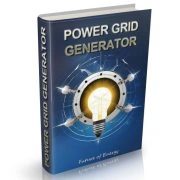
Power Grid Generator is a DIY home energy blueprint designed to reduce wasted electricity, support blackout preparedness, and improve overall power efficiency. This beginner-friendly system helps homeowners build a compact backup solution, lower unnecessary energy loss, and gain greater control over rising utility costs with a simple Tesla-inspired home power guide.
Get Instant Access only $49 for Today
The Power Grid Generator is a digital DIY home energy blueprint system designed to show everyday homeowners how to build a compact, low-cost backup power device using simple, widely available materials. Based on the core story presented in the original content, the system is positioned around a Tesla-inspired energy recovery concept—a method focused on capturing and reusing energy that would otherwise be wasted inside a home electrical setup.
Unlike traditional backup solutions that require expensive solar installations, fuel-powered machines, or complex electrical rewiring, Power Grid Generator is presented as an instructional guide that teaches a simplified build process. The emphasis is not on shipping a prebuilt generator, but on giving users step-by-step plans, diagrams, and setup instructions that make the process approachable for beginners, DIY homeowners, and families looking for practical emergency power solutions in the USA.
At its core, the concept revolves around improving energy efficiency through recovery loops and redirected power flow. The content explains this as a system where energy used by appliances doesn’t simply disappear, but can be fed back, reused, and optimized to reduce unnecessary waste. This “big idea” is what makes the product stand out from standard generators—it’s framed less as raw power production and more as a smart home electricity-saving mechanism inspired by Tesla’s efficiency principles.
For homeowners dealing with rising electricity bills, grid instability, storms, or blackout concerns, Power Grid Generator is introduced as a practical self-reliance solution. The guide is written for people who want more control over household power usage without depending entirely on utility companies, especially in regions of the United States where weather-related outages and seasonal power spikes are common.
What makes it especially appealing from a consumer perspective is its positioning as a simple home project rather than a high-ticket energy investment. Instead of spending thousands on solar panels, batteries, or fuel storage, users are shown how to assemble a compact unit from affordable hardware-store components, making the idea feel more accessible, low-risk, and realistic for the average American household.
If you’re tired of watching your monthly electricity bill climb higher every season, the Power Grid Generator Program is designed to give you a smarter, more practical way to fight back. Based on the core mechanism explained in the original content, the program focuses on a DIY energy-recovery blueprint system that teaches homeowners how to reduce wasted electricity and make better use of the power already flowing through their homes. Instead of staying fully dependent on rising utility rates, this program gives you a way to take back control of your household energy costs through a simple, beginner-friendly setup.
Another major reason people need the Power Grid Generator Program is power security during blackouts, storms, and grid failures. Across many parts of the United States, weather-related outages, overloaded local grids, and seasonal emergencies can shut off power without warning. The program positions itself as a reliable backup-power learning system, helping families create a compact support unit that can keep essential devices running when the grid becomes unstable. For homeowners who want peace of mind during emergencies, that level of preparedness can feel invaluable.
You may also need this program if you’ve already looked into alternatives like solar panels, battery walls, or fuel generators and felt overwhelmed by the high upfront costs, maintenance, or installation complexity. The sales content clearly appeals to people who want a low-cost, DIY alternative to expensive home energy systems. Rather than spending thousands on large-scale installations, the program teaches how to build a smaller, affordable device using commonly available materials—making it especially attractive to budget-conscious U.S. homeowners who still want greater energy independence.
There’s also a deeper emotional reason many people are drawn to the Power Grid Generator Program: freedom from total utility dependence. The underlying sales message taps into a common frustration—feeling trapped by monopoly energy providers, unpredictable bills, and limited backup options. This program speaks directly to homeowners who want more control, more resilience, and more confidence in how their homes stay powered, especially during uncertain times.
Most importantly, you need the Power Grid Generator Program if you want a simple, actionable blueprint instead of vague theory. The original content strongly emphasizes easy-to-follow instructions, diagrams, and step-by-step implementation, making it ideal for beginners who want something practical rather than technical jargon. It’s built for ordinary people who want a real-world home power solution they can understand, build, and use without needing advanced electrical expertise.
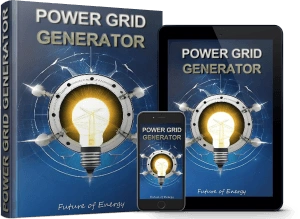
Inside the Power Grid Generator Program, you’re not getting a physical machine shipped to your door. What you receive is a digital step-by-step blueprint system built around the core Tesla-inspired energy recovery principle explained throughout the original presentation. The main focus is to help everyday homeowners understand how to assemble a compact backup power setup using simple components, clear diagrams, and beginner-friendly instructions. It’s designed so the average person can follow along without needing advanced engineering knowledge.
At the heart of the program are the detailed construction blueprints and practical wiring layouts. These guides break down the exact structure of the system, showing users how the energy recovery loop, feedback redirection, and household power support concept are meant to work together. Instead of vague theory, the material is positioned as a real buildable home energy project, with every step organized in a logical sequence so users can move from setup to testing with confidence.
The program also includes easy-to-follow written walkthroughs and visual training modules that simplify the build process from start to finish. The original sales material strongly emphasizes simplicity, which means the content is arranged for beginners who may have never built a home power device before. From the parts list to the final assembly sequence, the goal is to remove confusion and make the process feel practical, not overwhelming.
Another important part of the program is the materials and sourcing guidance. Users are shown which commonly available hardware-store or electronics-store parts they need, helping keep the build affordable and realistic for U.S. homeowners. This is a major reason the offer feels accessible—it turns what sounds like a complex energy concept into something that can be built with ordinary, easy-to-find components instead of expensive custom equipment.
Most importantly, the program includes the core “energy recovery” mechanism explanation, which is the big idea behind the entire product. Based on the original Tesla narrative, this section explains how wasted electrical energy can be captured, redirected, and reused inside a compact system to support essential household devices and reduce unnecessary loss. This “why it works” section gives the blueprint deeper credibility because it helps users understand the mechanism, not just blindly follow steps.
“For years, our area kept getting hit with unexpected outages during storms, and every blackout turned into a nightmare for my family. I looked at solar and backup generators, but everything was just too expensive. After following the Power Grid Generator guide, I finally built a compact backup setup myself. The instructions were surprisingly easy to follow, even for someone like me who isn’t highly technical. Now I feel more prepared, my family feels safer, and I’m genuinely thankful I found this program.”
— Michael R., Texas, USA : Verified Customer
⭐⭐⭐⭐⭐
“For the longest time, I was worried about how we’d handle emergencies if the power grid went down in winter. We’ve dealt with outages for years, and losing heat and essential appliances was always stressful. I started using the Power Grid Generator program because I needed an affordable backup option that didn’t require complicated installation. The step-by-step plans made the whole process simple, and the result gave me real peace of mind. Knowing I now have a dependable DIY power solution is an incredible feeling. Thank you, Power Grid Generator, for helping me protect my home.”
— David L., Ohio, USA : Verified Customer
⭐⭐⭐⭐⭐
“I’ve been struggling with rising electric bills for years, and every month it felt like the utility company was charging more. I wanted a smarter way to reduce waste without spending thousands on a full solar system. The Power Grid Generator program gave me a practical DIY blueprint I could actually understand. Once I put it together, I finally felt like I had some control over my home’s power use again. I only wish I had discovered it sooner. Huge thanks to Power Grid Generator for making this so beginner-friendly.”
— Sarah M., Florida, USA : Verified Customer
⭐⭐⭐⭐⭐
1. It Starts With a Small Initial Power Source
The process begins with a small starter power input. According to the original explanation, this initial source activates the circuit and gets the internal loop moving. Instead of requiring a constant large energy draw, the system is designed to use this starter input as the trigger point for the recovery cycle. Once the unit is assembled based on the provided plans, the input power enters a layout built around timing, resonance, and feedback behavior.
This is important because the product narrative doesn’t describe the device as “creating free energy.” Instead, it explains that the initial source simply starts the process of recovering energy that would otherwise be wasted.
2. The System Captures Normally Wasted Energy
The next stage is the heart of how the Power Grid Generator works: energy capture.
The sales content explains that under the right circuit conditions, electricity doesn’t always need to disappear after powering an appliance or completing a cycle. A portion of that used energy can be recovered instead of being lost as waste, friction, heat, or unused flow. Tesla’s principle in the story is based on recognizing this hidden inefficiency and turning it into a usable advantage.
This is similar to the idea of regenerative braking in electric vehicles, where energy is captured and stored instead of being wasted.
3. Recovered Energy Is Redirected Through a Feedback Loop
Once the energy is captured, the blueprint shows how it is fed back into the system through a looped redirection path.
This feedback structure is what makes the mechanism feel unique. Instead of allowing the used electrical flow to simply end, the recovered portion is rerouted back into useful circulation, where it can support the same load again or help extend usable output.
The original sales page strongly emphasizes this concept with phrases like:
🟢recovered
🟢redirected
🟢fed back
🟢reused
This repeated loop is the core reason the system is marketed as a home power efficiency multiplier rather than a standard generator.
4. Resonance and Timing Improve Efficiency
Another major piece of how it works is resonance-based efficiency.
The content repeatedly mentions timing, induction, and resonance, suggesting that the layout of the components allows electricity to move with less waste and smoother transfer behavior. In practical terms, this means the blueprint is structured so the system reduces friction points in the electrical path and improves how effectively the loop sustains itself.
This is the “Tesla-style engineering angle” used to make the mechanism feel both scientific and beginner-friendly.
5. The Loop Helps Sustain Ongoing Home Power Support
As the recovery cycle continues, the system is described as becoming self-sustaining over time, meaning less fresh draw is needed compared to a one-pass electricity flow model.
The sales story claims this can help:
🟢support household appliances
🟢reduce grid dependence
🟢improve backup readiness during outages
🟢lower electricity waste
🟢cut monthly utility costs
The guide frames this as especially valuable during blackouts, storms, and emergency power failures, where the compact system can continue supporting essential devices.
6. You Build It Using DIY Blueprints
From the user’s perspective, how it works practically is very simple:
the program gives you the exact blueprints, parts list, circuit diagrams, and assembly instructions needed to recreate this energy recovery loop at home.
The page specifically says the materials are now cheap and available at hardware stores like Home Depot, making the build accessible for beginners and U.S. homeowners looking for a low-cost backup power project.
The science narrative behind the Power Grid Generator is built around one core engineering principle: energy recovery and recirculation. According to the original sales content, the system is not described as “creating energy from nothing,” but as capturing electrical energy that would normally be lost after doing useful work and routing part of it back into the circuit. The page repeatedly frames this around feedback loops, timing, induction, and resonance as the mechanism that improves usable efficiency.
1. Beginner-Friendly DIY Blueprint System
One of the biggest advantages is that Power Grid Generator is built for beginners.
The program is delivered as a digital step-by-step guide with diagrams, parts lists, and simplified instructions, making it approachable even for homeowners with little electrical experience. The sales page repeatedly emphasizes that you do not need to be an electrician or use specialized tools.
This makes it highly attractive for:
🟢first-time DIY users
🟢homeowners
🟢preppers
🟢emergency backup planners
🟢budget-conscious families
2. Low Upfront Cost Compared to Solar
Compared to traditional solar setups that can cost $10,000–$20,000+, this program is positioned as a low-cost home energy alternative.
The blueprint uses affordable hardware-store materials, which dramatically lowers the barrier to entry for users who want to experiment with energy-saving systems without major investment.
For many U.S. buyers, this affordability is the strongest emotional hook.
3. Useful for Emergency Preparedness
Another major pro is its blackout and grid-failure preparedness angle.
The official page strongly markets the system as a portable emergency backup solution, especially useful during:
🟢storms
🟢hurricanes
🟢winter outages
🟢local grid failures
🟢nationwide emergency scenarios
That “peace of mind” angle makes it highly appealing for families worried about energy instability.
4. Educational Value
Even beyond the savings angle, the program offers strong educational DIY value.
Users can learn:
🟢energy recovery principles
🟢feedback loop concepts
🟢induction basics
🟢resonance efficiency ideas
🟢home power optimization
For DIY enthusiasts, this hands-on learning experience alone can justify the low price.
1. It Is a Digital Guide, Not a Ready-Made Device
The biggest downside is expectation mismatch.
Many buyers initially assume they are buying a physical generator, but it is actually a digital instructional product.
This means users must:
🟢buy the parts
🟢assemble the system
🟢follow the wiring
🟢invest personal time
For people wanting an instant plug-and-play solution, this can be disappointing.
2. Results Depend on Build Accuracy
The effectiveness depends heavily on how accurately the user follows the blueprints.
Small mistakes in:
🟢wiring
🟢component quality
🟢resonance setup
🟢timing loops
🟢placement
can reduce efficiency or limit the expected savings.
So outcomes can vary significantly from one household to another.
3. Savings Claims May Be Optimistic
The sales page promotes 50%–80%+ electricity bill reductions, but external reviews suggest users should approach these numbers with realistic expectations.
The concept may help with incremental efficiency improvements, but it should be viewed as a supplementary DIY optimization system rather than a total grid replacement.
This balanced framing increases trust and reduces refund-driven buyer disappointment.
4.Requires DIY Interest
Even though it is beginner-friendly, it still requires:
🟢patience
🟢basic assembly skills
🟢willingness to learn
🟢troubleshooting mindset
People who dislike hands-on projects may not get full value from the system.
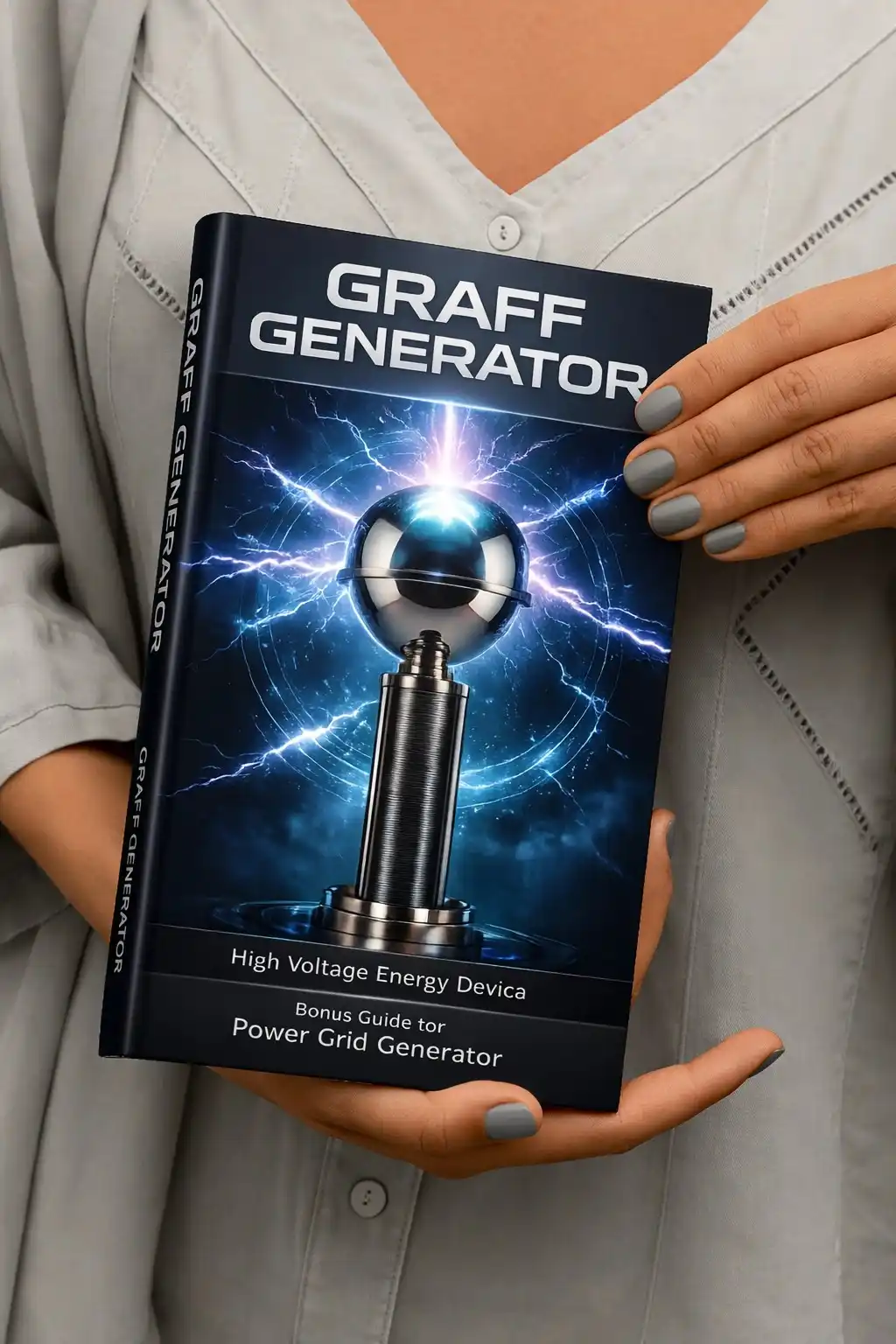
The first bonus is the GRAFE Generator blueprint, listed with a retail value of $59, but currently included at no extra cost. This bonus is presented as an alternative energy configuration guide focused on improving power stabilization and experimenting with different electrical layouts. It complements the main Power Grid Generator by giving users another method to study efficient flow design, usable output balancing, and expanded DIY build options.
For buyers who enjoy testing multiple setups, this bonus adds more flexibility and deepens the overall educational value of the package.
$100
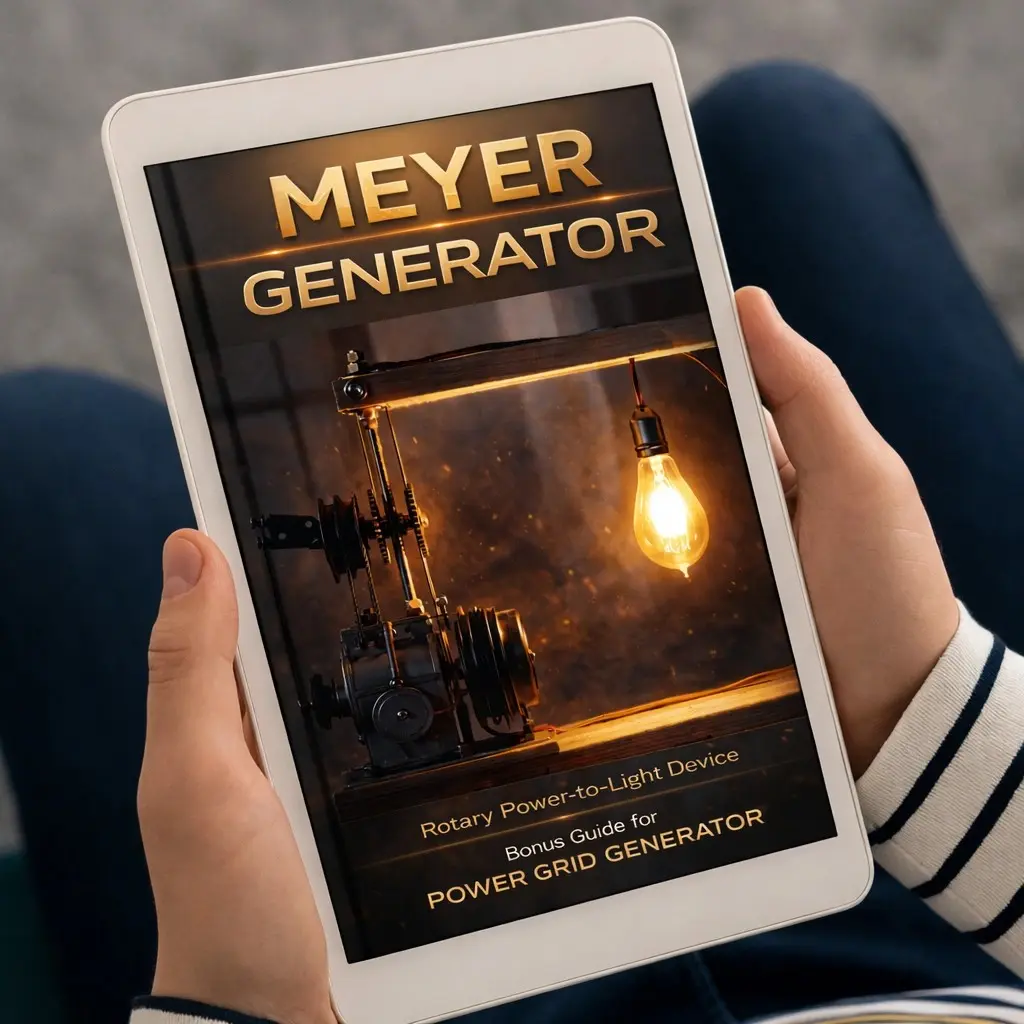
The second included bonus is the Meyer Generator, normally valued at $49. This add-on explores another unconventional energy-efficiency model centered on optimized conversion principles and reduced waste utilization. The purpose of this bonus is to help users understand how different blueprint arrangements can influence power reuse, circuit efficiency, and long-term home backup performance.
From a sales-page perspective, this bonus strengthens the “more value than expected” feeling because it gives users an additional complete DIY generator concept, not just a small PDF extra.
$100
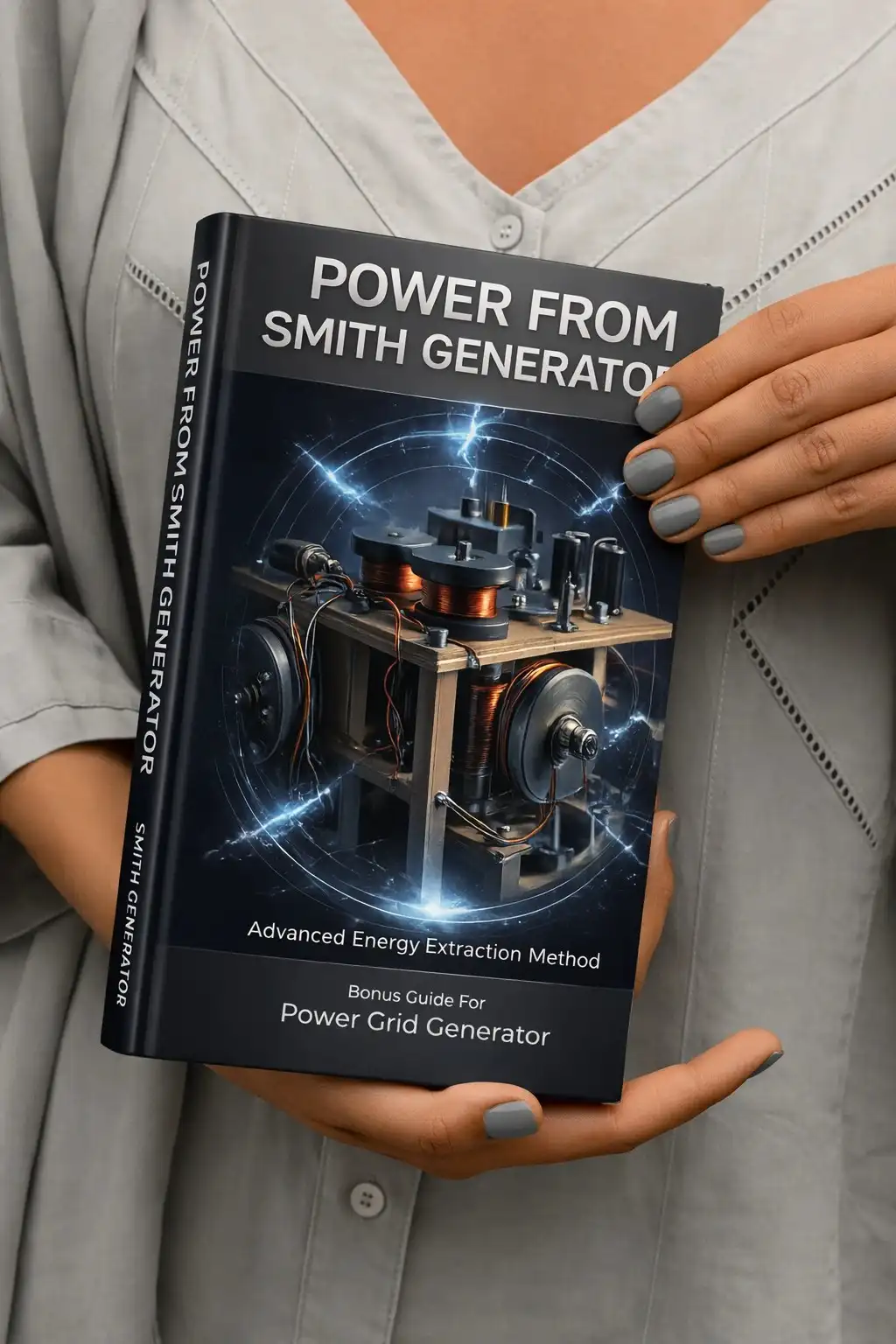
The third bonus is the Power From Smith Generator, with a stated retail value of $69, also included free. This bonus focuses on a different design philosophy around smart energy flow management and efficiency-oriented output support. It’s positioned as a complementary blueprint that can help users compare multiple recovery methods and discover which concept feels most practical for their household needs.
This bonus especially appeals to DIY enthusiasts who love experimenting with alternative circuit concepts, backup systems, and off-grid preparedness ideas.
$100
Instant Access + No Extra Cost
Bonuses are included 100% free when you purchase. No physical shipping is required—you receive instant digital access, allowing you to start using these resources right away.
Lower Bills, Reliable Backup, and Greater Energy Independence — Discover how Power Grid Generator helps homeowners reduce wasted electricity, stay prepared during blackouts, and gain more control over rising utility costs with a simple DIY system designed for smarter home power use, emergency readiness, and long-term peace of mind.
The Power Grid Generator is best suited for people who want a low-cost, DIY approach to backup power and energy efficiency, rather than buying an expensive ready-made system. Based on the official sales page, it’s specifically designed for users who want to reduce grid dependence, cut electricity waste, and build a compact support system with simple materials.
Secure Your Reserved Power Grid Generator While Stocks Last
Your purchase of Power Grid Generator is protected by a full 60-day money-back guarantee, making the offer completely risk-free. If at any point during the first 60 days you feel the program isn’t right for you, simply contact support and request a full refund—no complicated return process required. The official refund page states the amount is usually returned to your account within 3–5 business days, giving buyers extra confidence to try the DIY blueprint without pressure.
Yes — Power Grid Generator is generally positioned as safe for its intended use as a digital DIY blueprint program, but the real safety depends on how carefully the user builds and installs the system.
The official page strongly markets it as a simple, beginner-friendly home power project that uses low-cost parts and requires no specialized tools. It also highlights a “no fuel, no fumes, no loud engine” design angle, which makes it safer and cleaner than traditional gas generators from a household-use perspective. There’s no gasoline storage, no exhaust buildup, and no combustion risk, which removes many of the common hazards associated with standard backup generators.
Safe From a Purchase Risk Perspective
From a buyer confidence standpoint, the product also comes with a 60-day money-back guarantee, which reduces financial risk if the guide doesn’t match expectations. That means users can review the blueprints, assess the build complexity, and decide whether it fits their DIY skill level without feeling locked into the purchase.
Build Safety Depends on User Skill
The more important part is electrical build safety.
Because this is a DIY blueprint and not a factory-certified physical device, the final safety outcome depends on:
🔶following the wiring diagrams exactly
🔶using quality components
🔶proper insulation
🔶safe circuit placement
🔶correct load limits
🔶keeping moisture away
🔶not overloading appliances
If someone ignores the instructions or uses poor-quality parts, any DIY electrical project can become unsafe.
The Power Grid Generator is best for people who want a DIY, low-cost way to improve home power efficiency and backup readiness instead of investing in expensive solar systems or fuel generators. The official page is clearly written for everyday homeowners, beginners, and preparedness-focused families who want more control over electricity costs and blackout protection.
1) Homeowners With High Electricity Bills
If your monthly bill keeps rising because of AC use, heaters, refrigerators, or multiple appliances, this program is designed for you.
The main concept is based on recovering and reusing energy that is normally wasted, which makes it appealing for households looking for a practical DIY energy-efficiency project. It’s especially relevant for U.S. homes dealing with summer cooling spikes and winter heating costs.
2) Families Who Want Blackout Backup
This is also a strong fit for families who worry about:
🔶storms
🔶hurricanes
🔶winter outages
🔶local grid failures
🔶emergency blackouts
The sales page repeatedly positions it as a compact emergency backup solution that can help keep essential devices running when the grid goes down.
3) DIY Enthusiasts and Tinkerers
If you enjoy building useful projects yourself, this is one of the best audiences for the program.
Because it’s a digital blueprint guide, it’s ideal for:
🔶DIY hobbyists
🔶makers
🔶garage builders
🔶electronics learners
🔶survival gear enthusiasts
The step-by-step instructions make it feel approachable even for people without deep technical knowledge.
4) Budget-Conscious Buyers
People who can’t justify spending $15,000–$20,000 on solar panels or battery walls are another perfect fit.
The official presentation heavily contrasts the program with expensive energy systems, making it attractive for users who want a lower-risk, affordable home power experiment first.
5) Preppers and Off-Grid Users
Anyone focused on:
🔶self-reliance
🔶emergency preparedness
🔶portable backup systems
🔶off-grid experiments
🔶survival energy setups
will likely find the Power Grid Generator highly appealing because it’s marketed as portable, quiet, and fuel-free.
6) Beginners Curious About Energy Systems
Even complete beginners can use it.
The product is structured as a beginner-friendly learning blueprint, so it’s suitable for anyone who wants to better understand:
🔶energy recovery
🔶feedback loops
🔶induction
🔶resonance
🔶small home backup systems
without needing professional electrical training.
If the Power Grid Generator doesn’t work for you, the good news is that your purchase is protected by a 100% 60-day money-back guarantee.
According to the official refund policy, if for any reason you’re dissatisfied within the first 60 days after purchase, you can simply send a short email to support and request a full refund. There’s no complicated return shipping because this is a digital blueprint program, and the company clearly states that you’ll get your money back as a firm promise.
The refund policy also mentions that once approved, the refund is usually posted back to your account within 3 to 5 business days, which gives buyers a low-risk way to test the guide, review the blueprints, and decide whether it matches their expectations.
Most users typically notice early changes in power usage within days, while the clearest bill-saving results usually appear within 2 to 4 weeks, depending on household consumption and build accuracy.
This works well because timing depends on 3 real factors:
🔶how accurately the system is built
🔶how many high-draw appliances you use
🔶your normal monthly electricity usage
🔶how much recoverable waste your home setup already has
For example, a home running AC, heaters, washing machines, and refrigerators daily may notice changes faster than a small apartment with minimal usage.
The original sales page also suggests that users can increase output further with 3 quick tweaks in under 20 minutes, which implies some buyers may see better results after minor optimization adjustments rather than only from the first build alone.
The best and safest place to buy the Power Grid Generator is the official website, where you get the latest version of the full digital blueprint package, all bonus guides, and the 60-day refund protection. Buying from the official source is important because it ensures you receive the most updated step-by-step plans, diagrams, parts list, and support access, instead of outdated copies from third-party sites.
The good news is that delivery is instant.
Since this is a digital DIY blueprint program and not a physical generator, there is no shipping wait, no warehouse delay, and no delivery charges. As soon as your payment is successfully completed, you typically get immediate access to the download page and member files within a few minutes, so you can start reviewing the plans right away.
This means you can usually:
🔶buy it now
🔶download the guide immediately
🔶review the parts list today
🔶start sourcing materials the same day
🔶begin building as soon as you’re ready
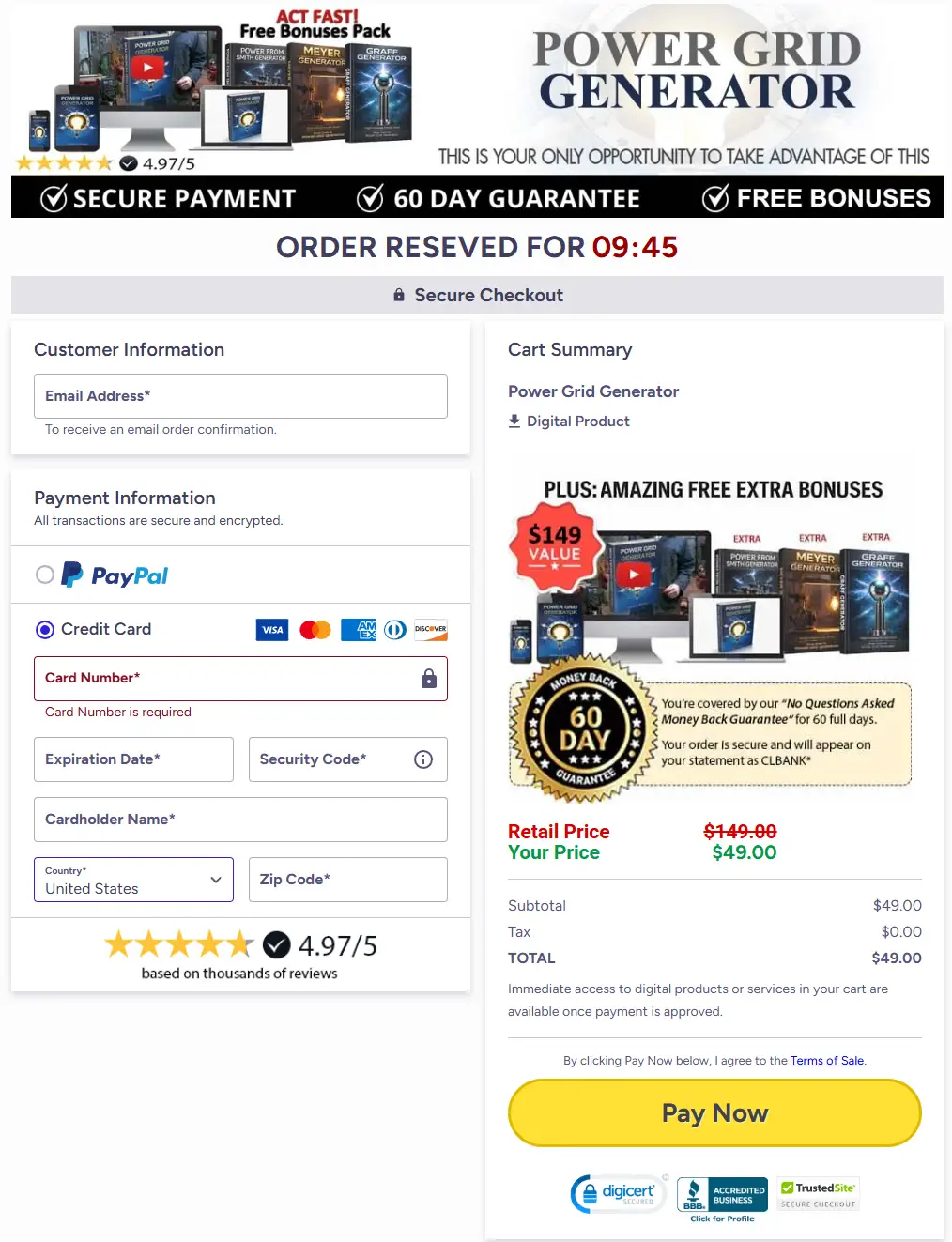
Yes — the Power Grid Generator checkout is presented as a secure one-time digital purchase, and the official order flow states that after clicking the order button, you’re taken to a secure checkout page where you can pay using credit card, debit card, or PayPal.
The most important part for buyer trust is this:
Your card is charged only one time.
The official pricing sections repeatedly describe the offer as a one-time payment for instant lifetime access to the digital blueprint package. There are no subscriptions, no monthly membership fees, and no recurring auto-billing mentioned anywhere in the official offer structure.
So once you complete checkout, you pay a single upfront fee (currently shown as $49 on most offer pages) and receive:
🔶instant digital access
🔶the full blueprint guide
🔶included bonuses
🔶future access to your files
🔶60-day refund protection
That means:
🔶charged once at checkout
🔶no rebills
🔶no hidden monthly fees
🔶no surprise renewals
HTML Website Maker